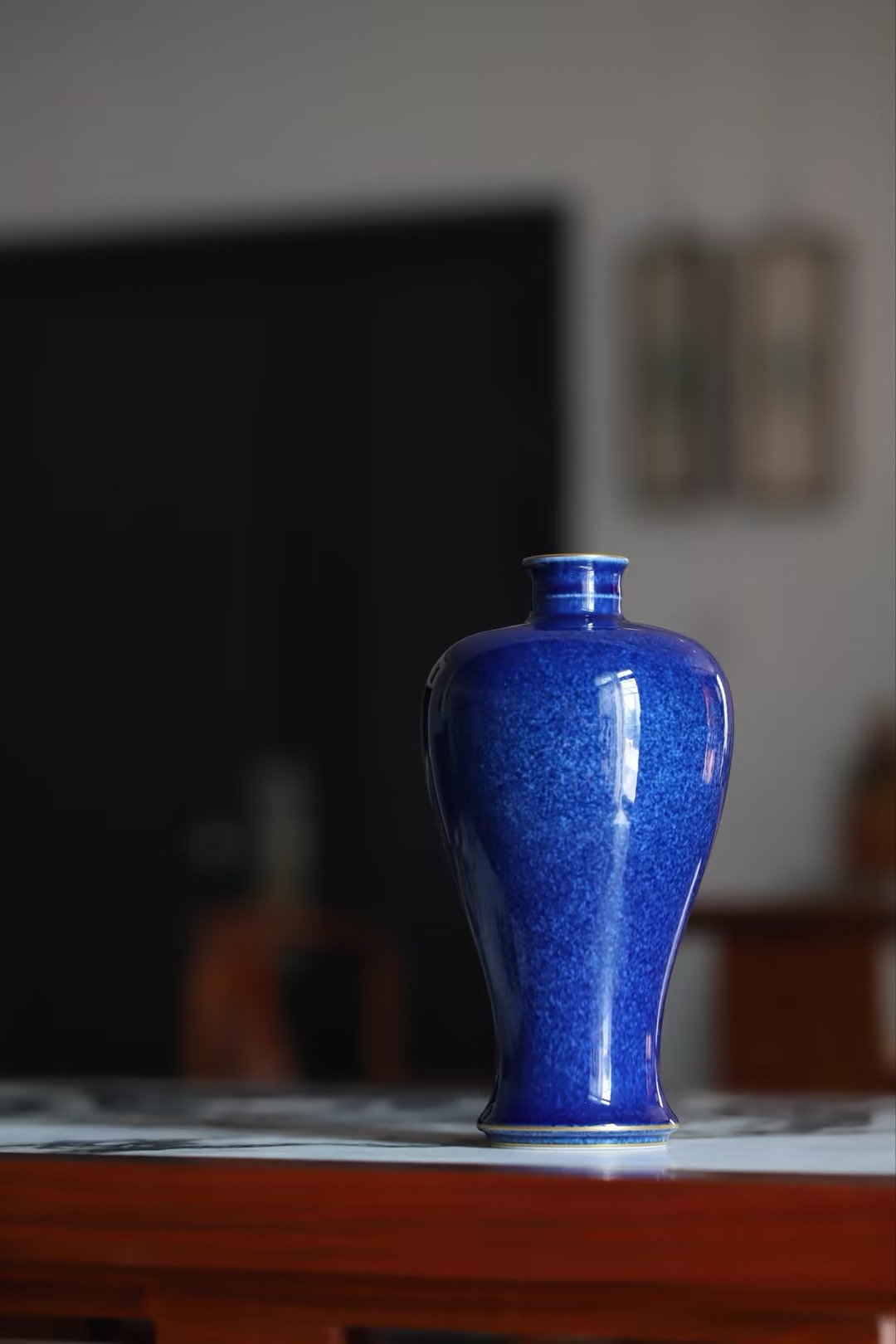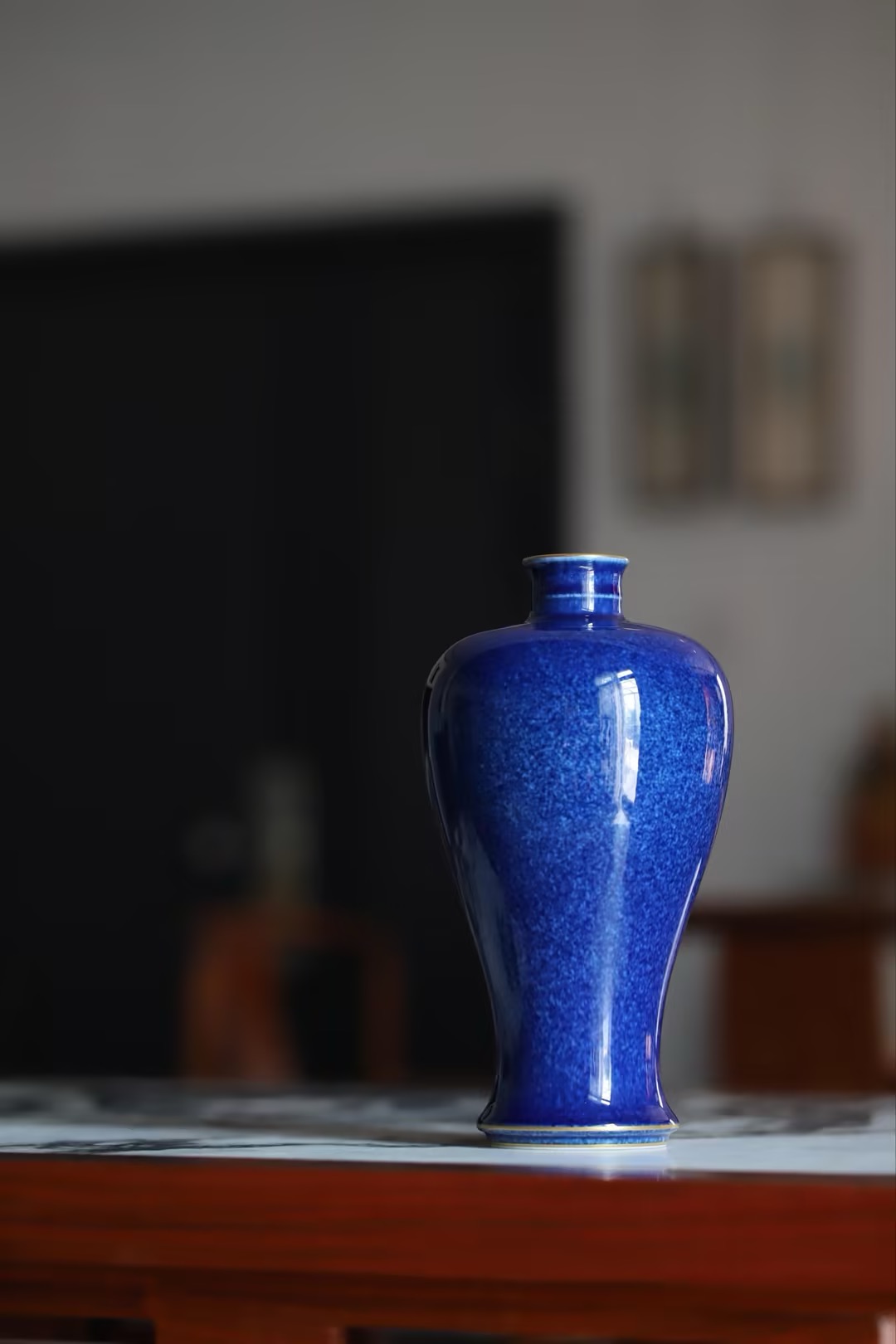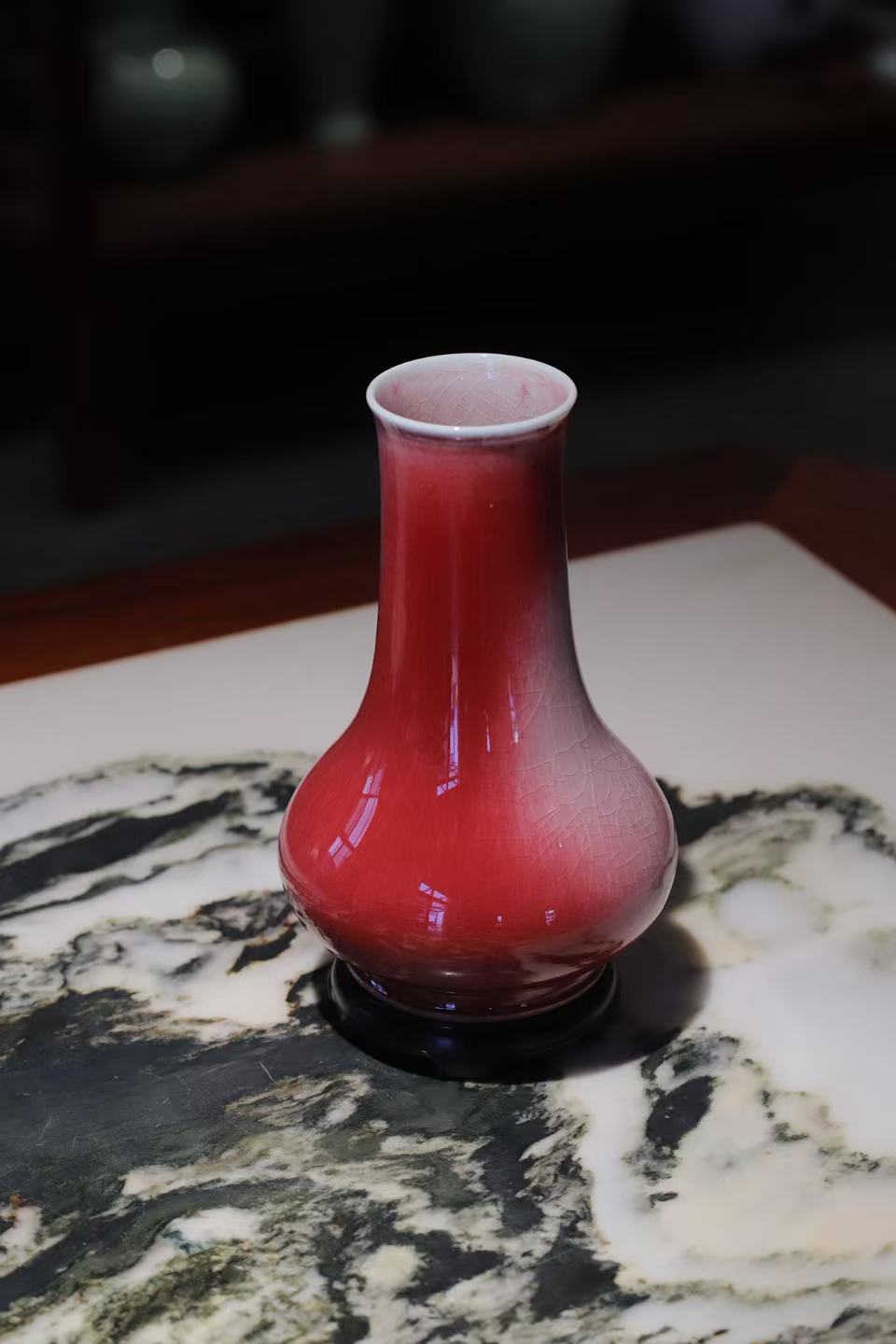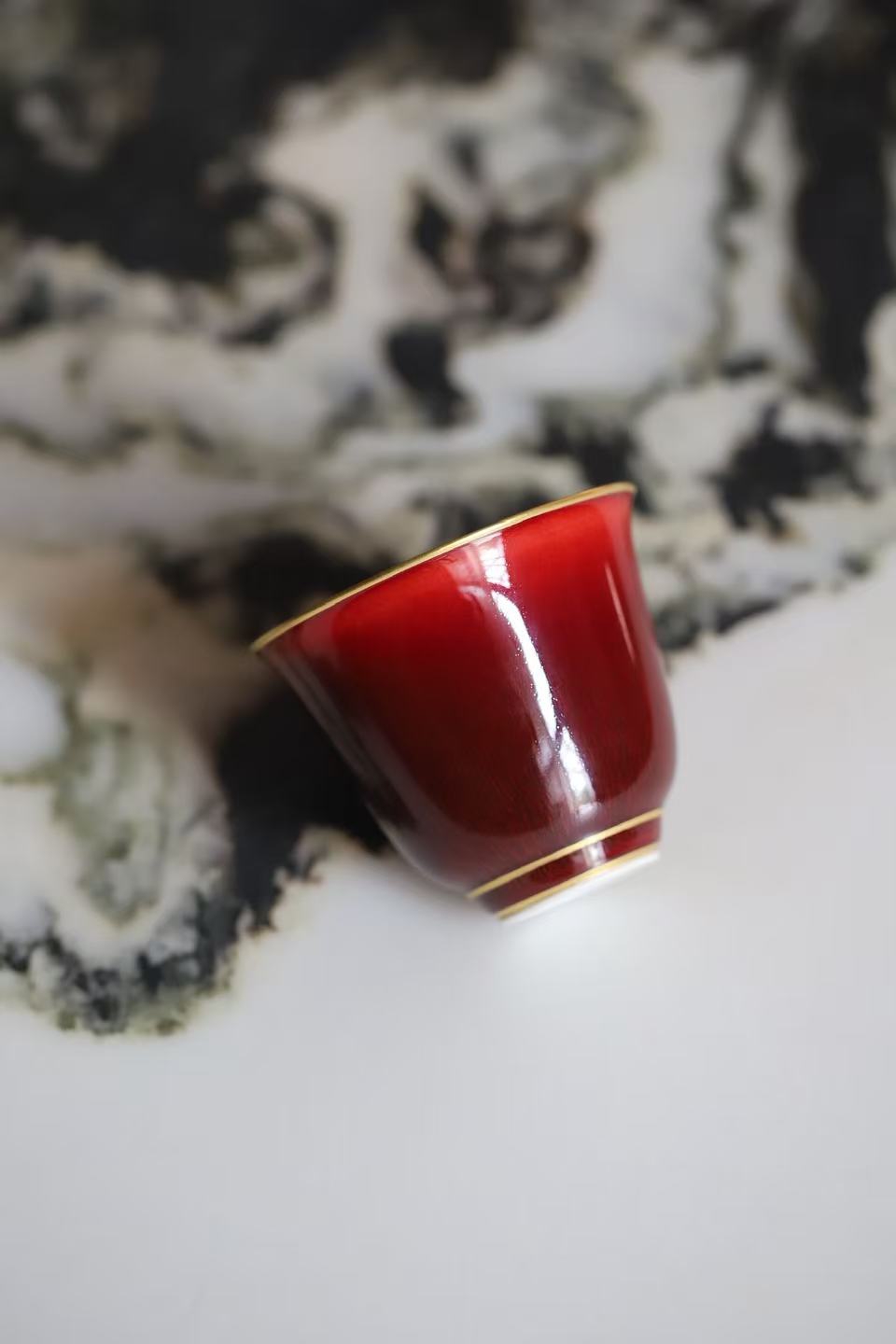
Jingdezhen · Imperial · Contemporary
Imperial Quality, Contemporary Taste. Refined Jingdezhen porcelain for coffee, tea and contemporary living.
↓↓

Blue Fir · Tea Ware
Cups, gaiwans, and vessels built around how tea is actually held, poured, and tasted — wall thickness, lip, and weight considered as carefully as glaze and form.
Explore Tea Ware →
Blue Fir · Coffee Ware
Espresso and coffee cups designed with the same seriousness as our tea ware — proportion, heat retention, and grip refined for daily use.
Explore Coffee Ware →The Experience
Blue Fir designs around the experience of drinking tea and coffee — wall thickness, lip, balance, weight, volume, heat, touch, grip, aroma, proportion. Each decision is made for how an object performs in the hand, not only how it looks on a shelf.
Why Blue Fir
Jingdezhen is home to an extraordinary range of studios, makers, techniques, and materials, accumulated over more than a thousand years. Not everything made there becomes Blue Fir. We select, develop, and refine what meets our standard, then stand behind it.
What you're buying is not only craftsmanship. It's Blue Fir's judgment.
Contemporary Living
Refined Jingdezhen porcelain for the table and contemporary living — selected and developed with the same attention to form, material, and daily use.
Explore Contemporary Living →
Explore by Period
Dynastic entry · Jingdezhen
宋
960–1279
The philosophical foundation — form reduced to essence, glaze elevated to art.
Enter Period →元
1271–1368
The birth of blue and white — cobalt from Persia, forms shaped for global trade.
Enter Period →明
1368–1644
Imperial codification — the kiln system institutionalised, production stratified by rank.
Enter Period →清
1644–1912
Technical zenith — enamel families expanded, archaism refined, export culture established.
Enter Period →当代
Under Review
Artists working within historical discipline — inclusion subject to procedural review.
Under procedural review
Blue Fir works inside Jingdezhen's living porcelain system. We use its depth of knowledge to select and develop exceptional new porcelain for daily use — objects worth owning, using, and keeping. History informs the standard. The object must prove it.
Featured Period
宋
960 — 1279
The philosophical foundation of Chinese porcelain. During the Song, form was reduced to pure essence — celadon glazes achieving the luminosity of jade, vessels stripped of ornament to reveal the intelligence of their making. The Five Great Kilns — Ru, Guan, Ge, Ding, Jun — each defined a vocabulary that has governed ceramic aesthetics for a thousand years.
Explore the Song Period →Post-Imperial & Modern Eras
c. 1850 – Present · Jingdezhen
c. 1850–1912
Imperial oversight weakened as private kilns and export merchants reshaped production during the twilight of the dynasty.
1912–1949
Imperial control disappeared. Individual artist-potters and urban markets reshaped Jingdezhen ceramic production.
1950–1978
State-owned enterprises replaced private workshops. Ten major ceramics factories codified historical techniques.
1978–2000
State factories privatised. Traditional wood-firing revived. Private studios re-emerged as Jingdezhen reconnected with global markets.
2000–Present
Mass production coexists with independent studio practice. A layered ecosystem of factories, studios, institutions, and global markets.

Featured Material
瓷石
Primary Material System
Jingdezhen's porcelain draws on a rare geological combination. Local petuntse — a weathered feldspathic rock known as porcelain stone — combines with kaolin clay to produce a body prized for its whiteness and translucency. This dual-material system supported the controlled high-temperature firings that shaped Jingdezhen's reputation for over a thousand years.
Explore Materials →
Featured Reign
1662 — 1722
The longest and most productive reign of the Qing dynasty. Kangxi-era porcelain is defined by brilliant cobalt blues, famille verte enamels, and the revival of Song-dynasty monochromes under imperial supervision.
Explore the Kangxi Reign →
Featured Studio
Jingdezhen, China
A featured Jingdezhen studio — dedicated to preserving traditional forming, decoration, and firing techniques through disciplined craft production.
View Studios →
Featured Motif
Imperial Decorative Motif
The dragon is the supreme imperial motif in Chinese porcelain — five-clawed for the emperor, four-clawed for princes, three-clawed for officials. Its depiction evolved across every dynasty.
Explore Motifs →
Featured Decorative System
Underglaze Cobalt System
Cobalt oxide painted under the glaze before a single high-temperature firing. The defining decorative system of Jingdezhen since the Yuan dynasty — technically demanding, aesthetically supreme.
Explore Decorative Systems →Blue Fir · Vessel Types
From imperial palace wares to the scholar’s brush pot, from export porcelain that sailed the maritime routes to contemporary studio vessels — explore the complete vocabulary of Jingdezhen’s ceramic forms.
Explore Forms